ClawCode: Create Production Grade Code with Less Cleanup Debt
Originally published on OpenClaw Unboxed
Summary
Main Thesis
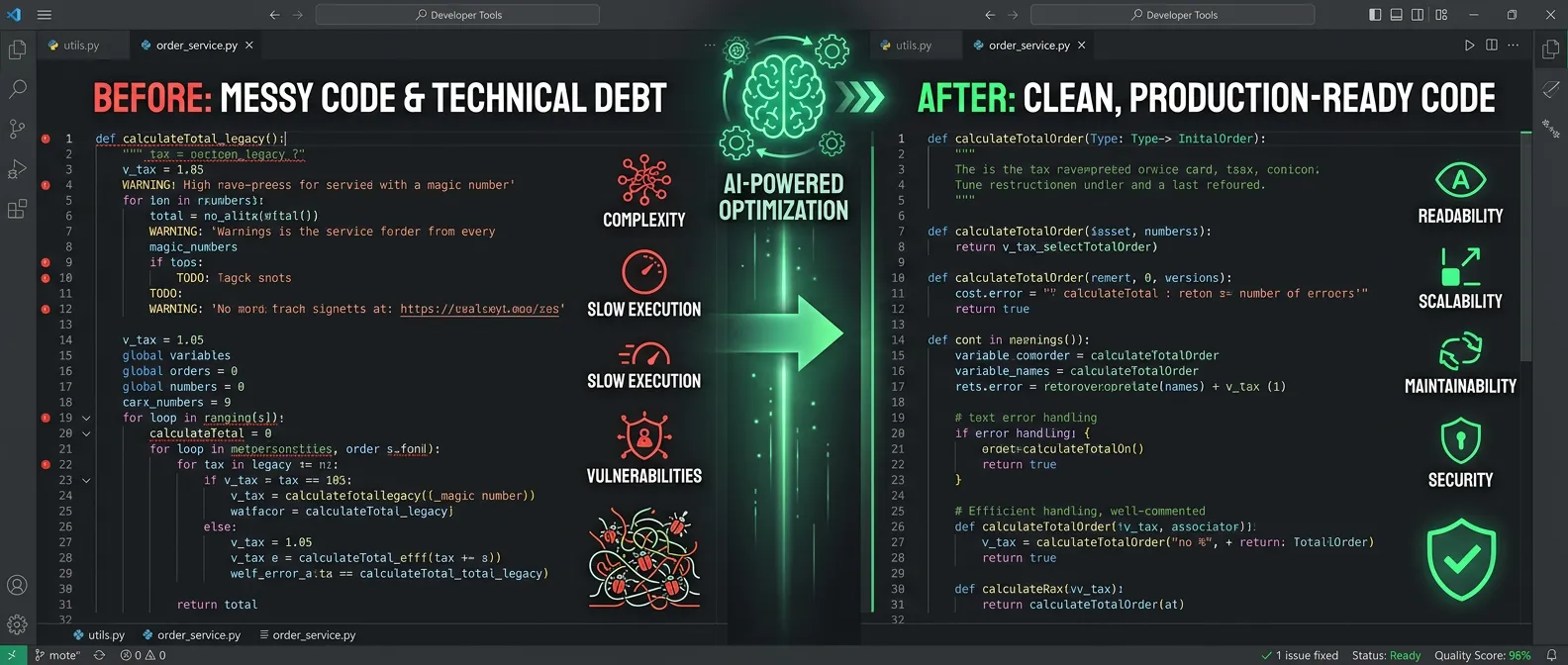
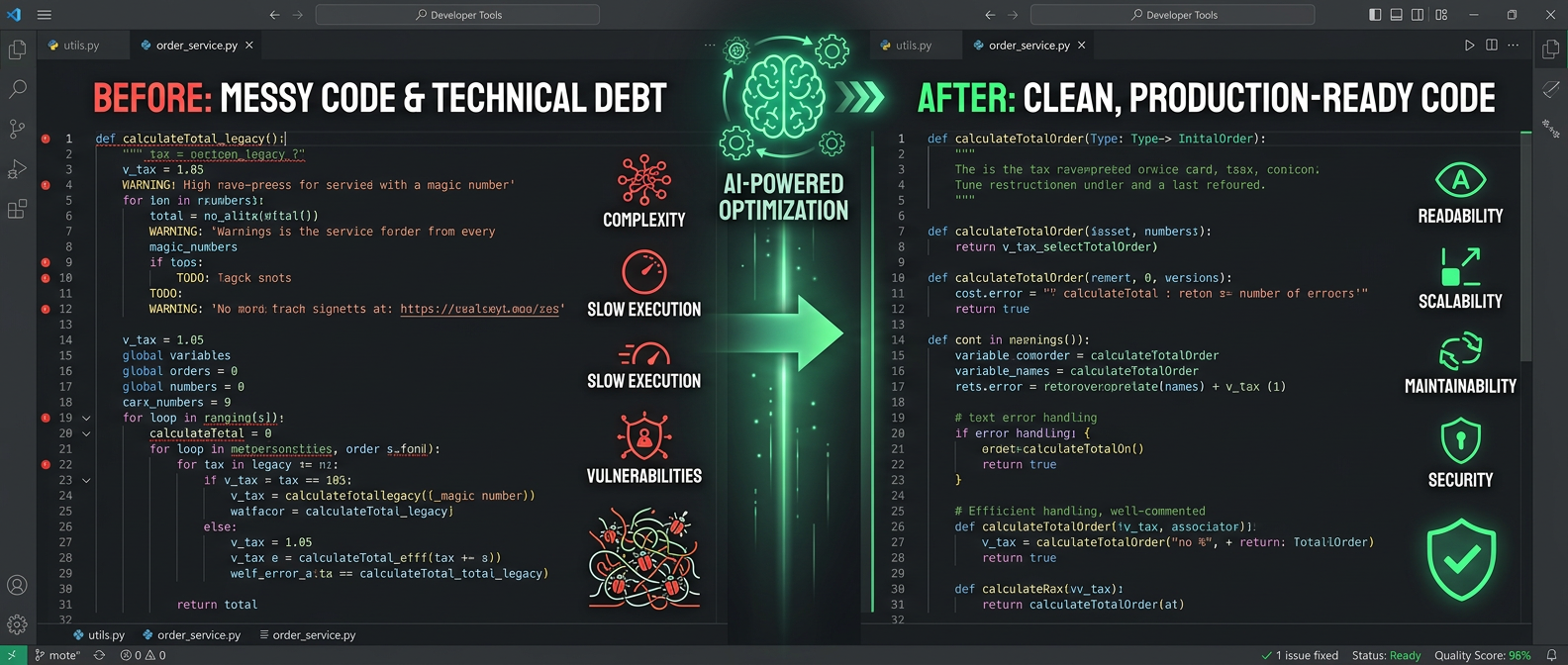
AI coding tools like OpenClaw’s ClawCode make it easy to feel productive while quietly stacking a refactor bill in the background. The goal isn’t to get the AI to write more code — it’s to get it to write code that needs less cleanup. That’s a fundamentally different game.
The Trap
The typical AI coding loop:
- Ask for a feature
- Model writes a pile of code optimized for completion, not maintainability
- Get the dopamine hit
- Spend hours cleaning up:
- Splitting giant files
- Removing duplicate logic
- Shrinking bundles
- Fixing fetch patterns
- Untangling architecture that should have been obvious before the first line was written
This isn’t momentum. It’s janitorial work dressed up as progress. Moving fast and falling behind at the same time.
The Root Cause
When you ask for a feature, the model optimizes for completion. It gives you something plausible, fast, and sort-of-working. But that’s not the same as code that is:
- Lean
- Maintainable
- Verifiable
- Safe to build on top of
The Reframe
Wrong goal: Get OpenClaw to write more code.
Right goal: Get OpenClaw to write code that needs less cleanup.
The ClawCode approach in this newsletter addresses this shift directly — with a framework for prompting OpenClaw to produce production-grade output rather than prototype-grade output that looks done but isn’t.
Practical Takeaways
- Treat cleanup debt as a real cost, not an acceptable byproduct
- Architect first, generate second — define structure before asking for implementation
- Use targeted prompts that specify constraints (file size limits, no duplicate logic, explicit patterns to follow)
- Verify the output against your actual requirements before moving on
- Treat each AI generation as an untrusted first draft requiring review, not a finished product
Takeaway
AI doesn’t make you faster by default. It makes the illusion of speed cheaper. ClawCode is about closing the gap between code that exists and code that actually works in production — with less debt accumulation along the way.
Infographics

Processed: 2026-03-21